Home »
Castelvetro di Modena | Piazza Roma Inauguration

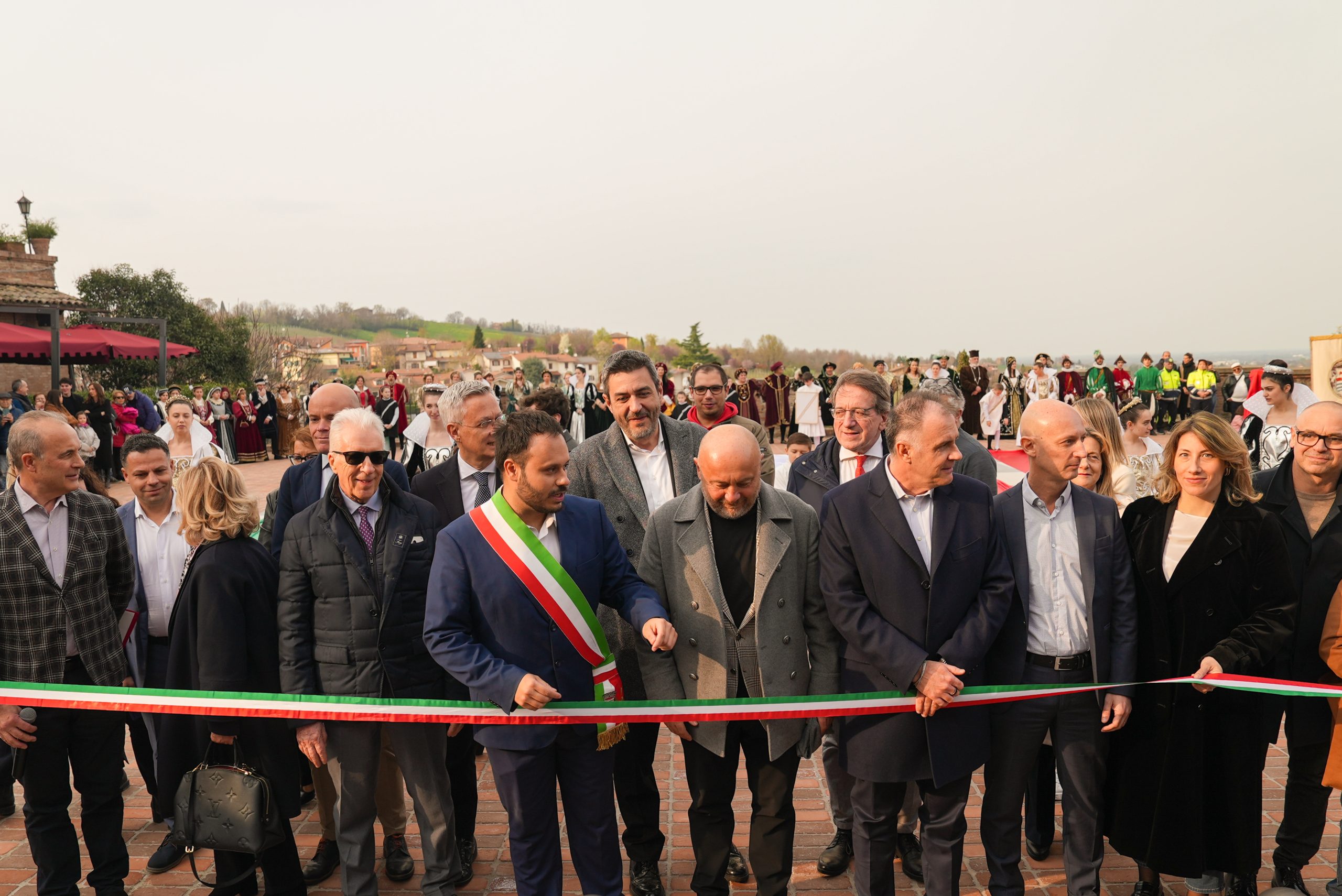
Saturday, March 21 saw the inauguration of the renewed Piazza Roma in Castelvetro di Modena, one of the most representative places in the historic center and a symbol of the town’s identity. The intervention restores quality, safety, and recognizability to a space that is central to the community and to the town’s cultural life.
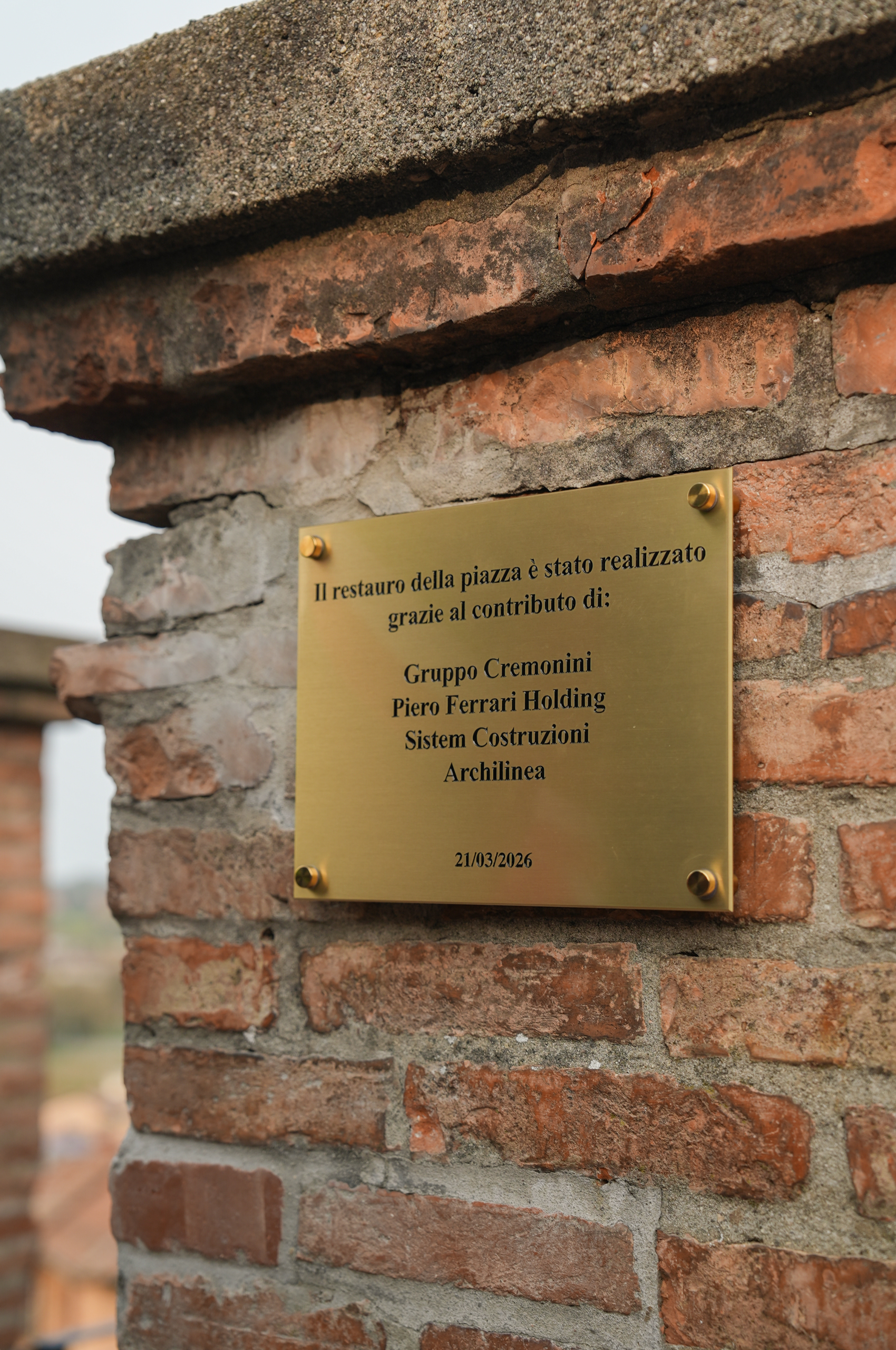
A key element of the initiative is the collaboration between public administration and private companies that chose to actively support the project. Alongside the Municipality of Castelvetro di Modena, which promoted the intervention, Piero Ferrari Holding S.r.l., Sistem Costruzioni S.r.l., Chef Express S.p.A., and Archilinea S.r.l. directly contributed to the redevelopment. This synergy made it possible to intervene in one of the most identity-defining places of the town, returning it to the community with renewed architectural and functional quality.
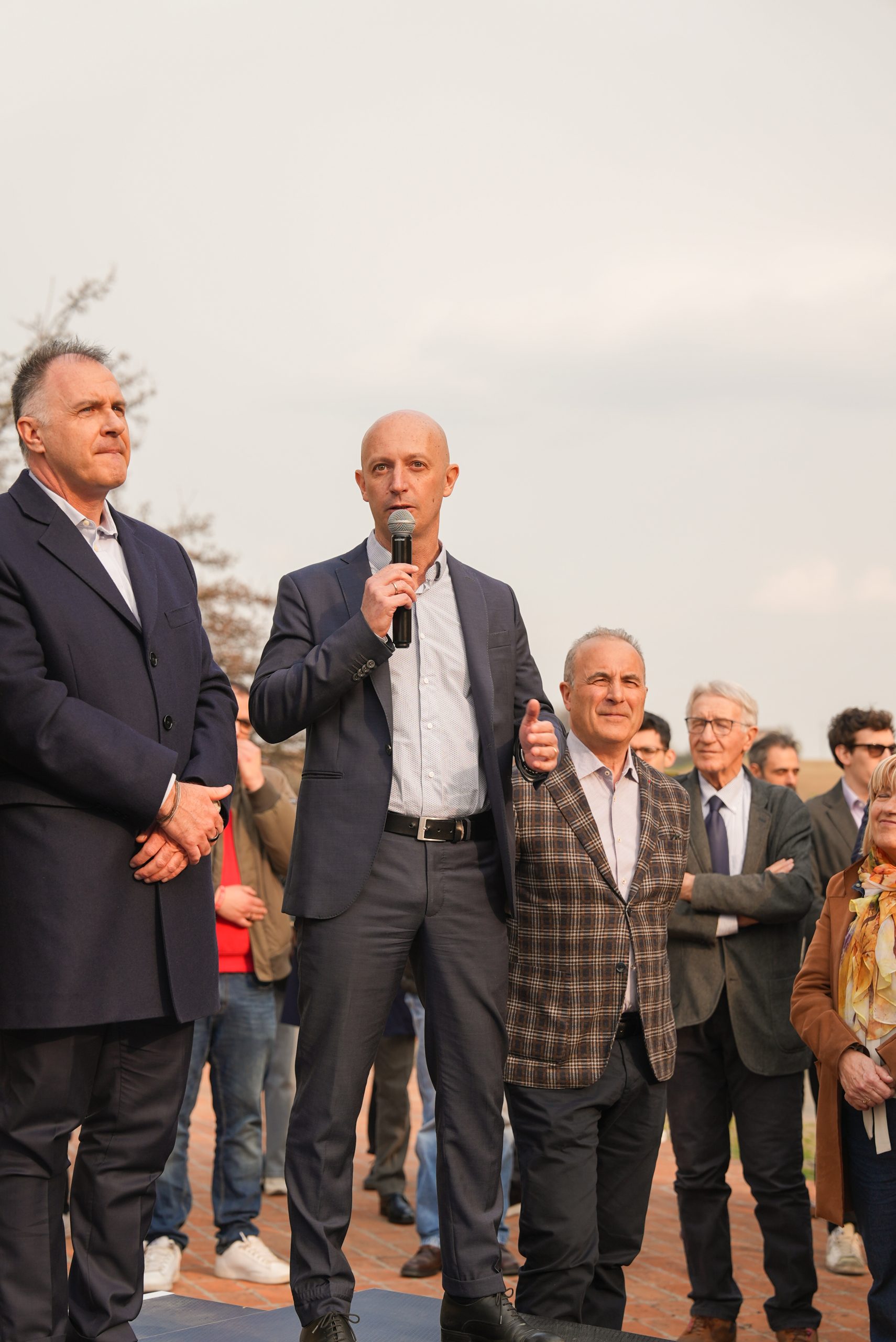
During the inauguration ceremony, Piero Ferrari, Emanuele Orsini, Vincenzo Cremonini, and Luca Bernardoni—partner and CEO of Archilinea—spoke, highlighting the significance of the intervention, as the square expresses authentic beauty and a sense of belonging, in a balance between past and future.
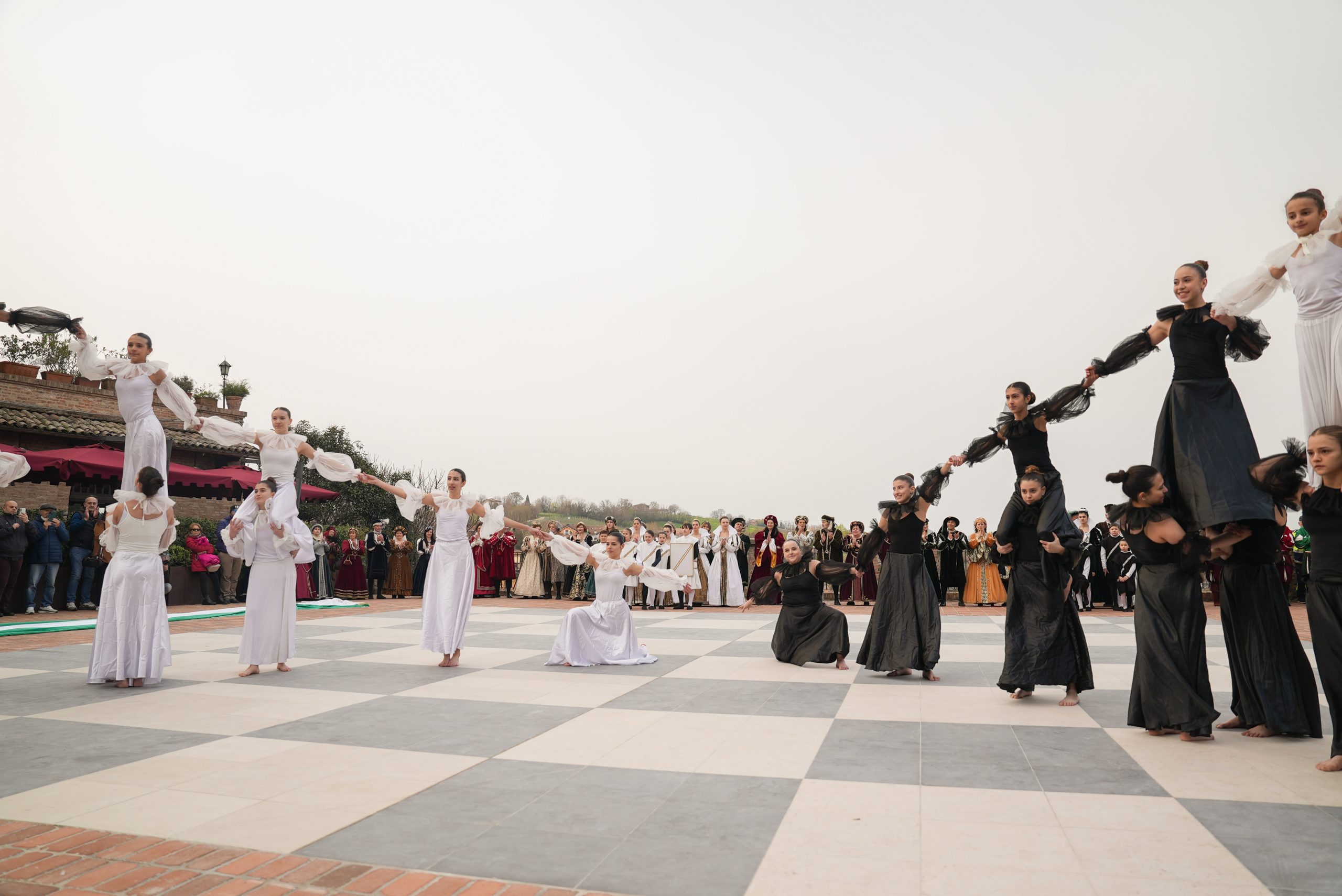
The central chessboard pattern was reconstructed while preserving its original layout, using Trani marble for the light sections and grey basalt for the dark ones, while the terracotta perimeter harmonizes with the existing historic paving, restoring unity to the whole.
At the same time, the project also addressed safety improvements for the panoramic staircase and the unprotected merlon section, through the installation of new metal railings consistent with the design language already present in the square: a discreet yet necessary solution aimed at improving accessibility and safety without altering the character of the place.
More than a maintenance operation, the redevelopment of Piazza Roma represents a shared project of urban and cultural enhancement. The restoration of the historic chessboard and the overall improvement of the square confirm how collaboration between public and private sectors can produce a tangible impact on the quality of public space, the preservation of historical heritage, and the attractiveness of Castelvetro’s historic center.
In this intervention, the convergence between institutions and businesses becomes a virtuous model of responsibility towards the territory: a concrete alliance capable of generating lasting value, strengthening the bond between local identity, community, and heritage.