


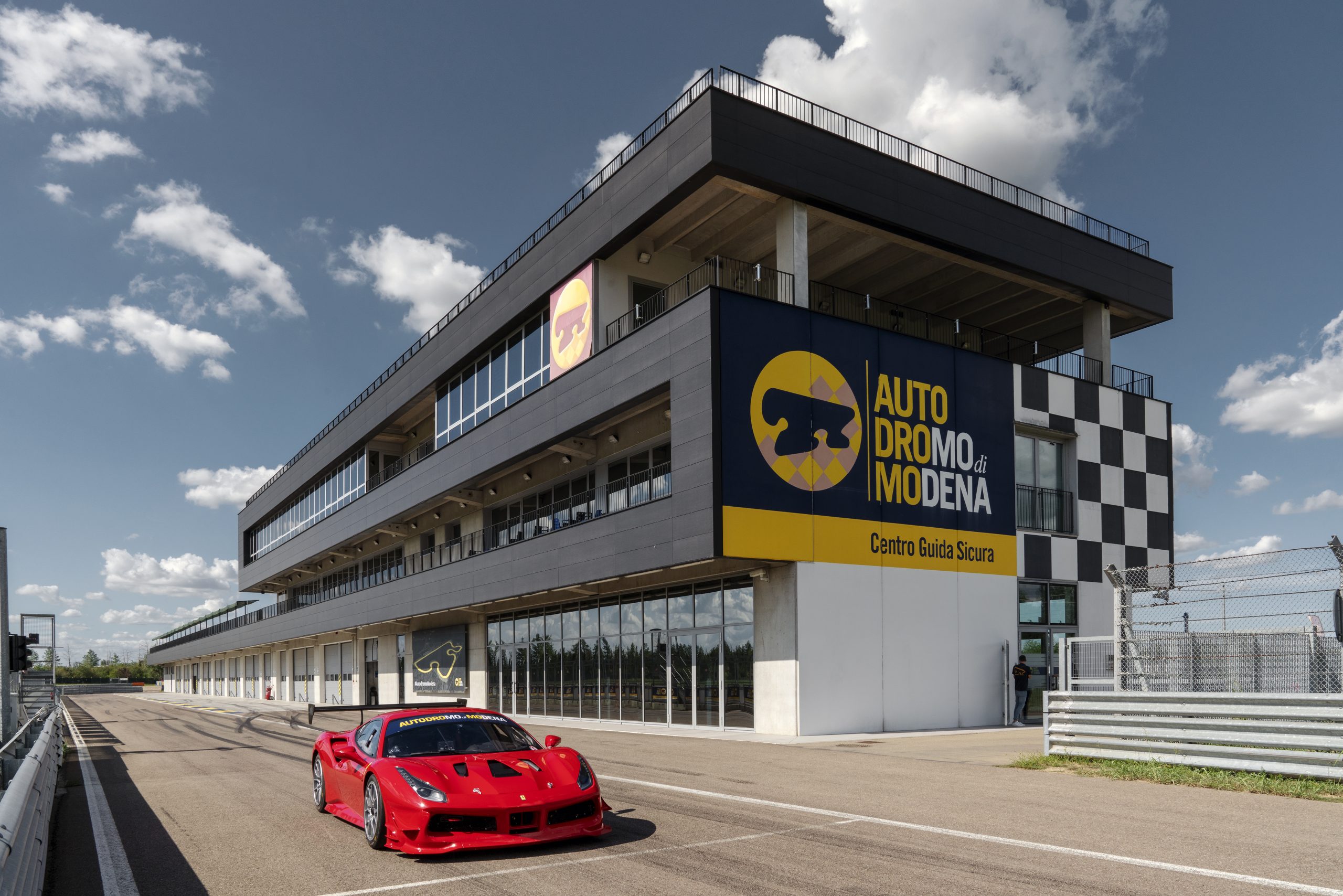
Modena Vehicle Circuit
Aerautodromo Modena
Italy
The Modena Vehicle Circuit is a fully integrated project developed by Archilinea, spanning from the initial architectural concept to the management of complex environmental impact assessments. Situated in the heart of Italy’s Motor Valley, the complex serves as a strategic infrastructure for the Modena region. It seamlessly blends research, training, and testing in the fields of sport and safety driving, reinforcing the deep-rooted connection between architectural design and automotive culture.
Client
Aerautodromo Modena S.p.A.
Typology
Automotive Circuit
Location
Marzaglia, Modena, Italy
Services
Architectural design, general design coordination, architectural site supervision, general construction site management, health and safety coordination (design and execution phases).
Year
2013
Technical data
Track Length: 2,007 m
Track Width: 12 m
Pit Lane: 21 boxes
Energy Certification: Class C
Construction Duration: 30 months
Team
Giuseppe Gervasi, Giulio Rimini, Andrea Carrozzi.
Credits
Architectural Design: Archilinea S.r.l.
Structural Engineering: Eng. Giovanni Malaguti, Eng. Alessandro Michielin, Eng. Roberto Gardelli.
Electrical Systems: Eng. Antonio Stanzione
Mechanical Systems: Zecchini & Associati S.r.l.
Hydraulic Systems: Blueworks S.r.l.s.
Interior design / styling: Archilinea S.r.l.
Environmental consulting: Praxis Ambiente
Green works and mitigation measures: Dott. Agr. Giovanni Mondani
Direzione lavori: Arch. Giuseppe Gervasi
General Contractor: Nuova Tesi System S.r.l.
Suppliers: Lea Ceramiche
Image & Photography Credits: Andrea Martiradonna

CONCEPT
The project for Modena Vehicle Circuit takes shape from the synergy between the region’s deep-rooted automotive heritage and the ambition to create one of the most advanced testing circuits in Europe. The design concept is centered on the creation of high-performance infrastructure able of hosting testing, training, and safe driving activities, integrating the track and service facilities into a single, unified system.
Designed as an educational circuit, the track is supported by functional buildings that allow sporting and training operations: pit boxes, telemetry rooms, safe driving school facilities, and operational hubs. The architecture serves both a technical and representative role, engaging with the landscape while meeting the needs for flexibility, precision, and innovation. The resulting complex embodies Modena’s technological excellence, interpreting the theme of mobility as a blend of experience, research, and design culture.
PROJECT
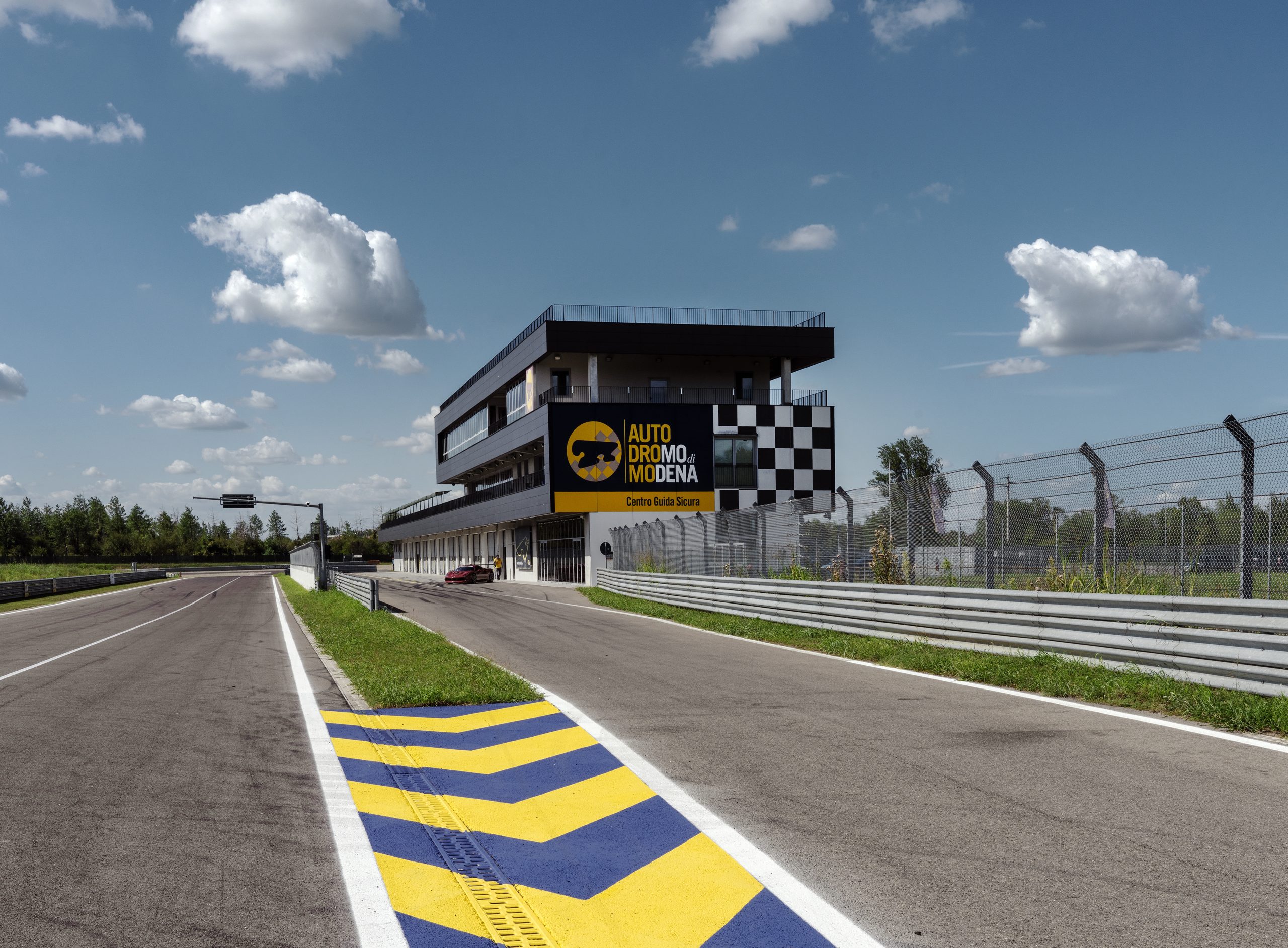
The Modena Vehicle Circuit features a 2,007-meter circuit designed for training, testing, and advanced education, supported by 21 pit lane boxes and technical facilities. The project integrates sporting infrastructure with service architecture to create a cohesive, safe, and high-performance system. You can find more information about this project on the Archilinea website.
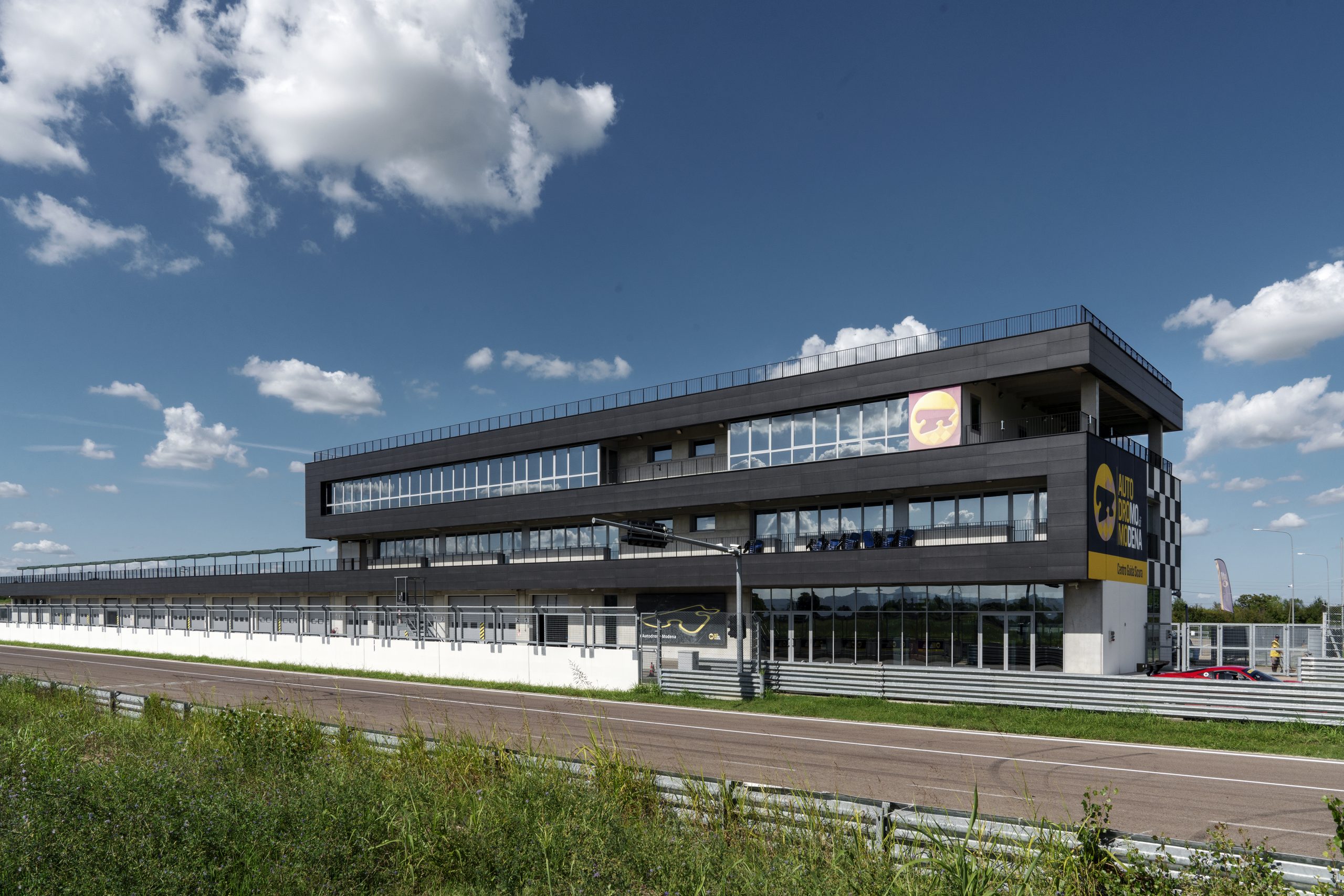
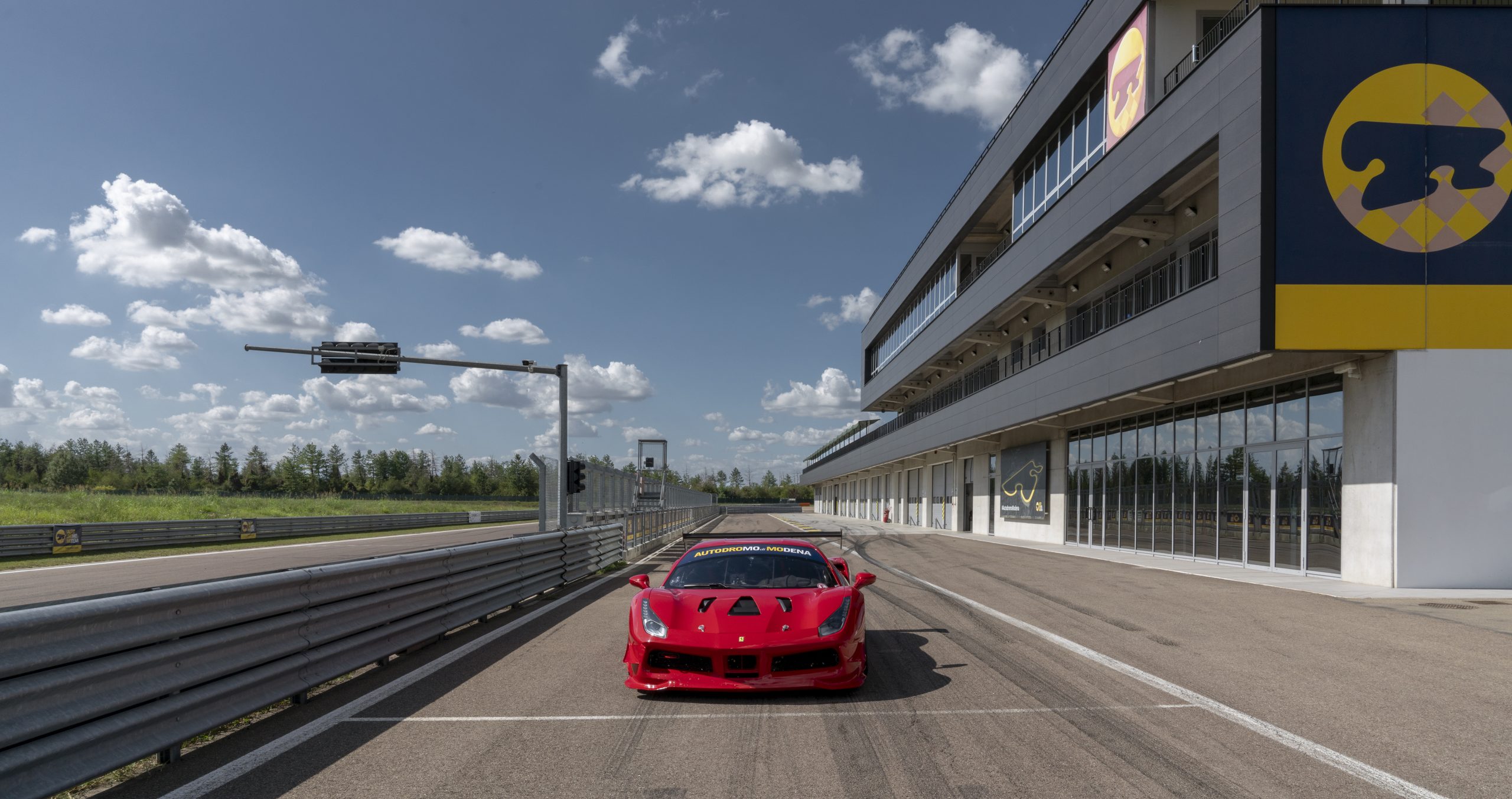
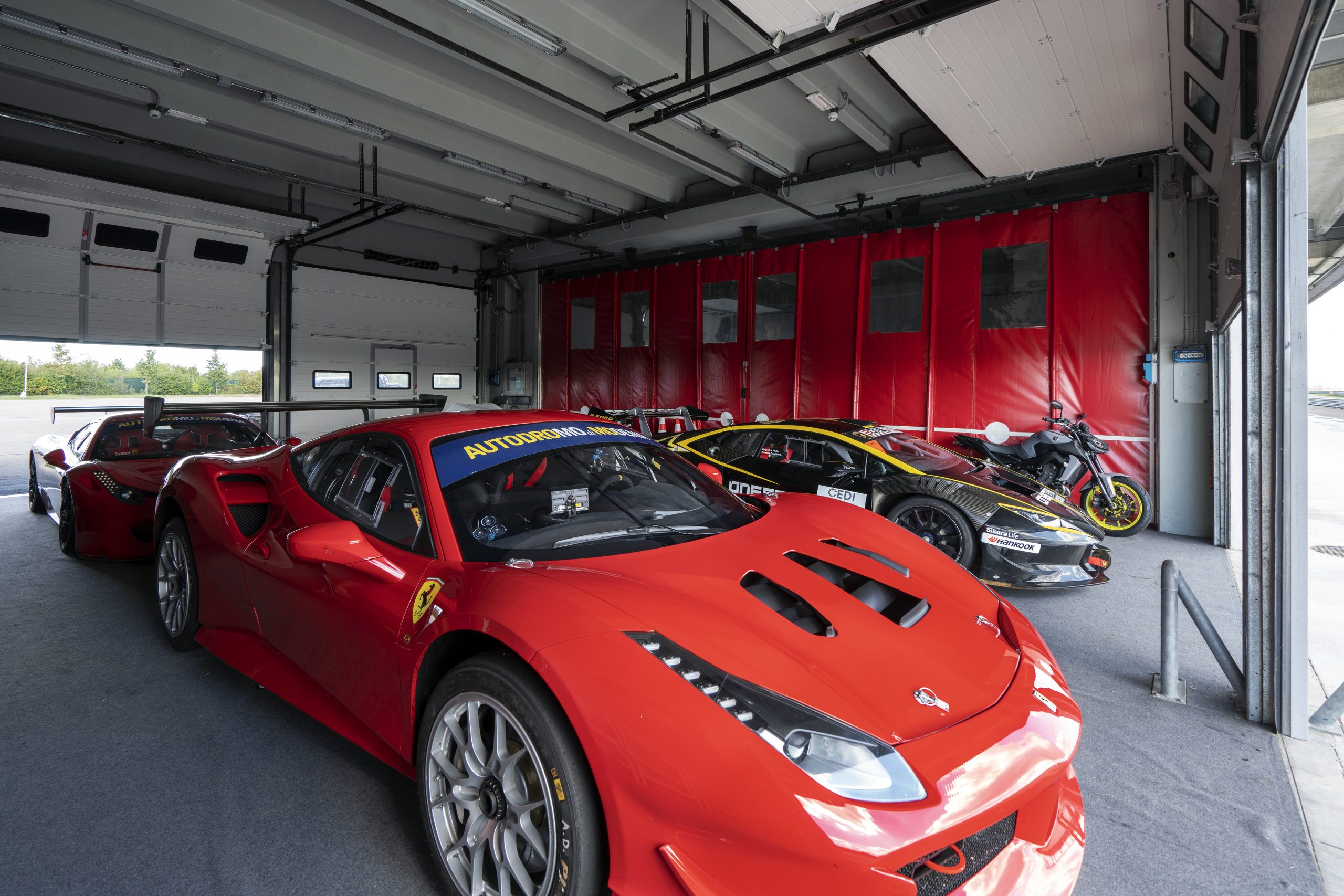
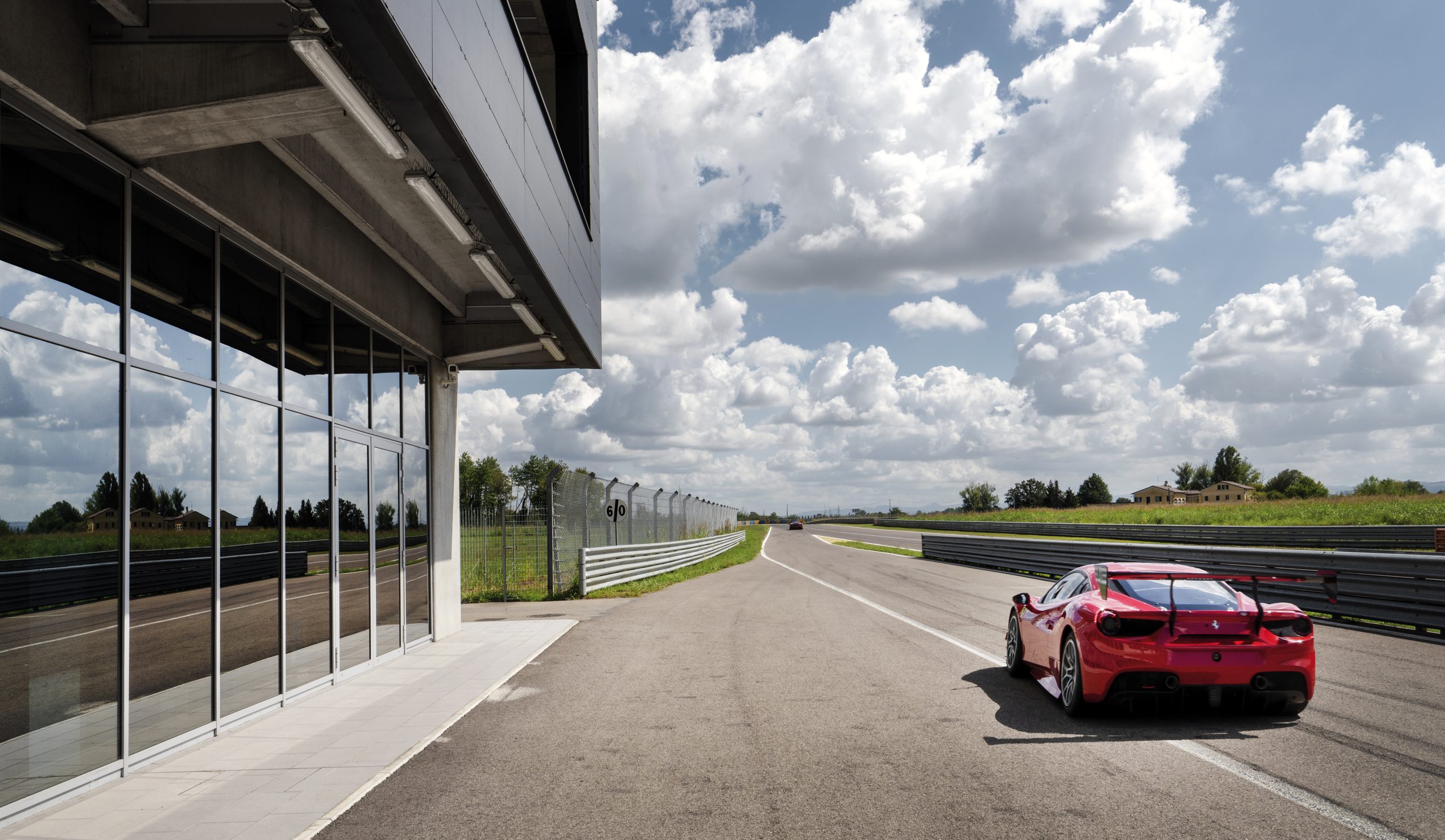
The Modena Vehicle Circuit complex was conceived as a multifunctional infrastructure, where the racing circuit and service buildings work in close synergy. The 12-meter-wide track allows for various configurations and is designed to host testing sessions, safe driving courses, and technical events.
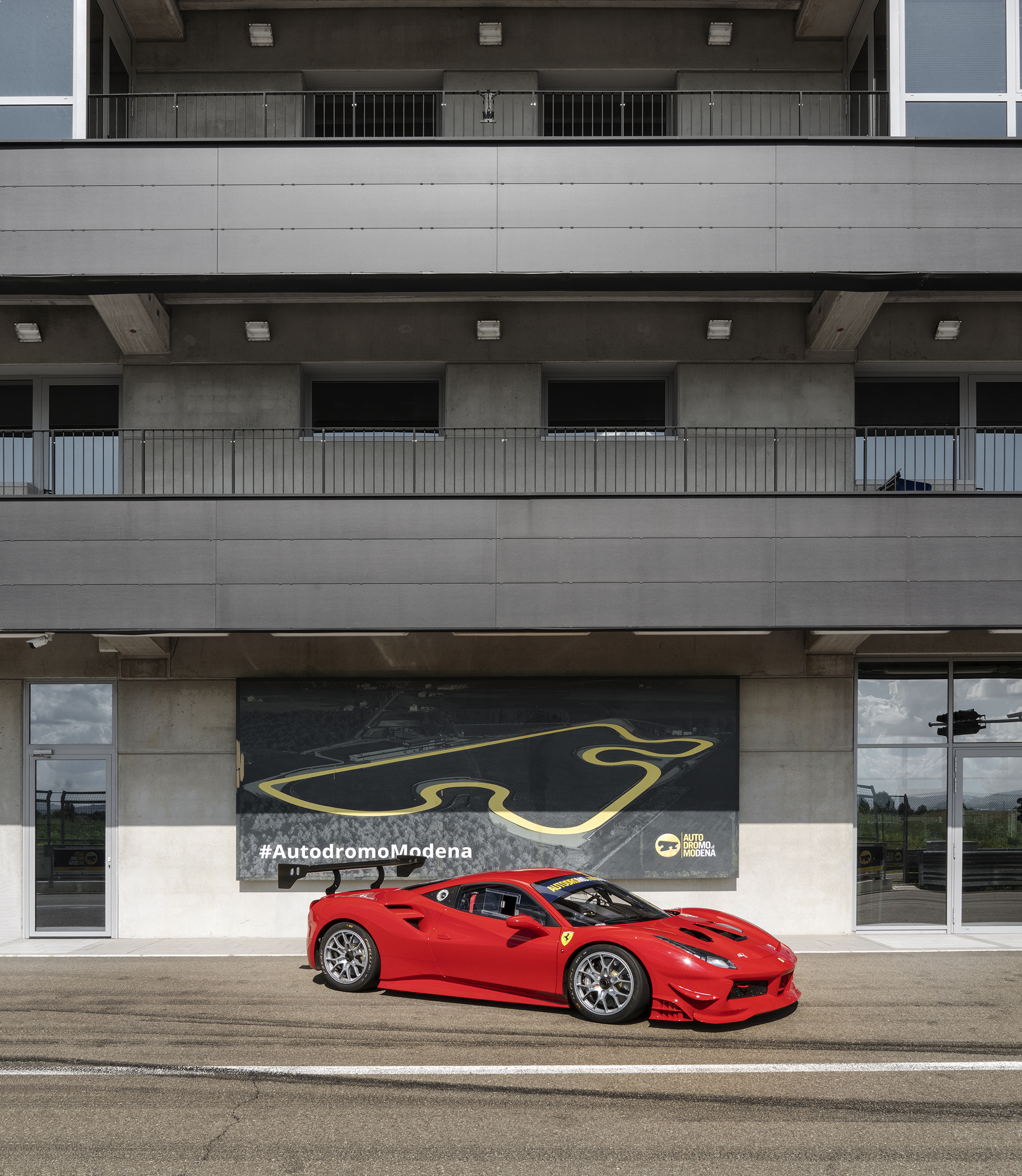
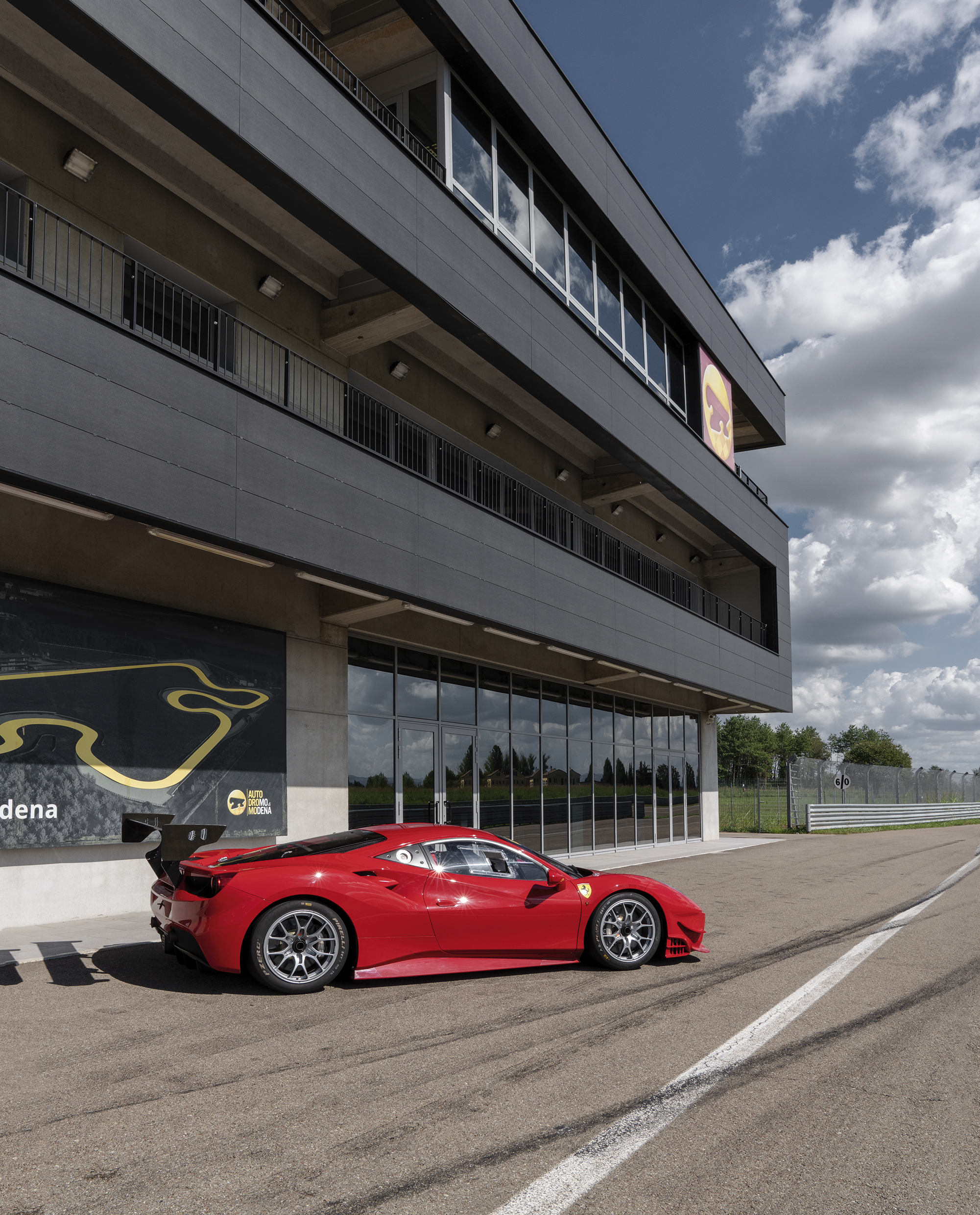
Adjacent to the track, a building complex concentrates all support functions: pit boxes, technical rooms, telemetry spaces, and training environments. The spatial organization follows criteria of operational efficiency and visual control, ensuring fluid management of activities and a high level of safety.
The project required meticulous multidisciplinary coordination, particularly regarding environmental impact assessments and the integration of the intervention within its territorial context. Consequently, the Vehicle Circuit serves as an advanced technological platform, capable of driving innovation in the automotive sector and acting as a landmark within the Motor Valley.
APPROACH
Archilinea approached the project for Modena Vehicle Circuit through an integrated methodology, coordinating architectural design, sporting infrastructure, and specialized consultancy. The unified management of both the design and construction phases allowed for the translation of specific technical requirements into a functional and efficient system, merging safety, performance, and architectural quality into a coherent vision.